- Autism Spectrum Disorder (ASD)
- Attention Deficit Hyperactivity Disorder
- Anxiety
- Bipolar Disorders
- Communication Disorder/Selective Mutism
- Depressive Disorders
- Eating Disorders
- Generalized Anxiety Disorder
- Intellectual Disability
- Intermittent Explosive Disorder/Anger Issues
- Learning Disorder
- Neurocognitive Disorder (Memory Problems and Dementia)
- Obsessive Compulsive Disorder
- Panic Disorder
- Phobias
- Post-Traumatic Stress Disorder
- Stress-Related Conditions
- Self-esteem Issues
- Sleep Disorders
- Social (Pragmatic) Communication Disorder
- Tic Disorders
- Weight Issues

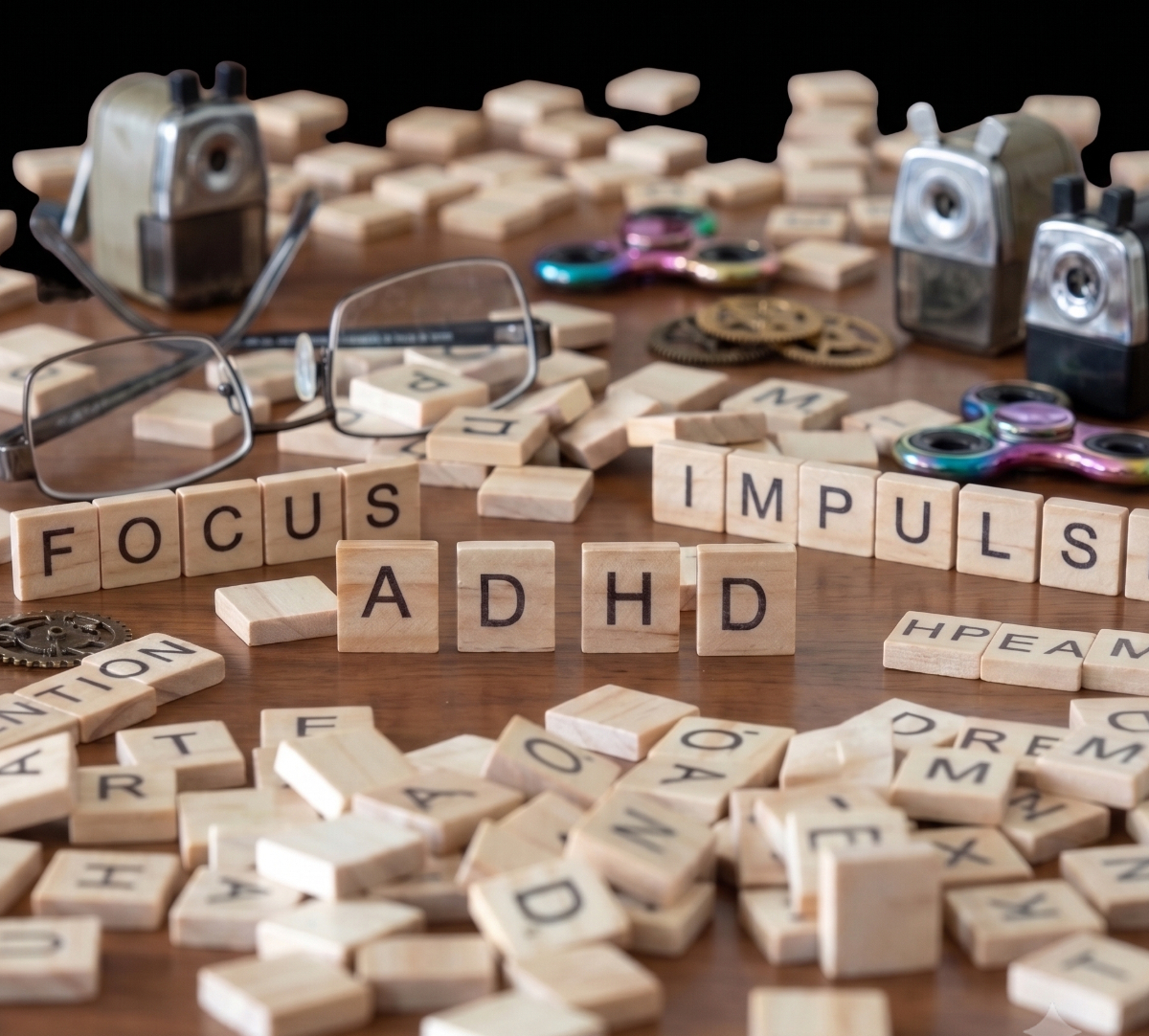
Attention Deficit Hyperactivity Disorder (ADHD)
A neurodevelopmental condition characterized by difficulties with attention, focus, impulsivity, and hyperactivity that can impact school, work, and relationships.

Anxiety
A mental health condition involving excessive worry, nervousness, or fear that can interfere with daily functioning and overall well-being.

Bipolar Disorders
Mood disorders marked by extreme shifts in mood, energy, and activity levels, including periods of depression and mania or hypomania.

Communication Disorder / Selective Mutism
Conditions affecting speech, language, or communication skills. Selective mutism involves difficulty speaking in certain social settings despite speaking comfortably in others.

Depressive Disorders
Mental health disorders characterized by persistent sadness, loss of interest, low motivation, and changes in sleep, appetite, or energy.

Eating Disorders
Serious conditions involving unhealthy relationships with food, eating habits, body image, or weight that may affect emotional and physical health.

Generalized Anxiety Disorder (GAD)
A chronic form of anxiety involving excessive and ongoing worry about everyday situations, often accompanied by restlessness or tension.
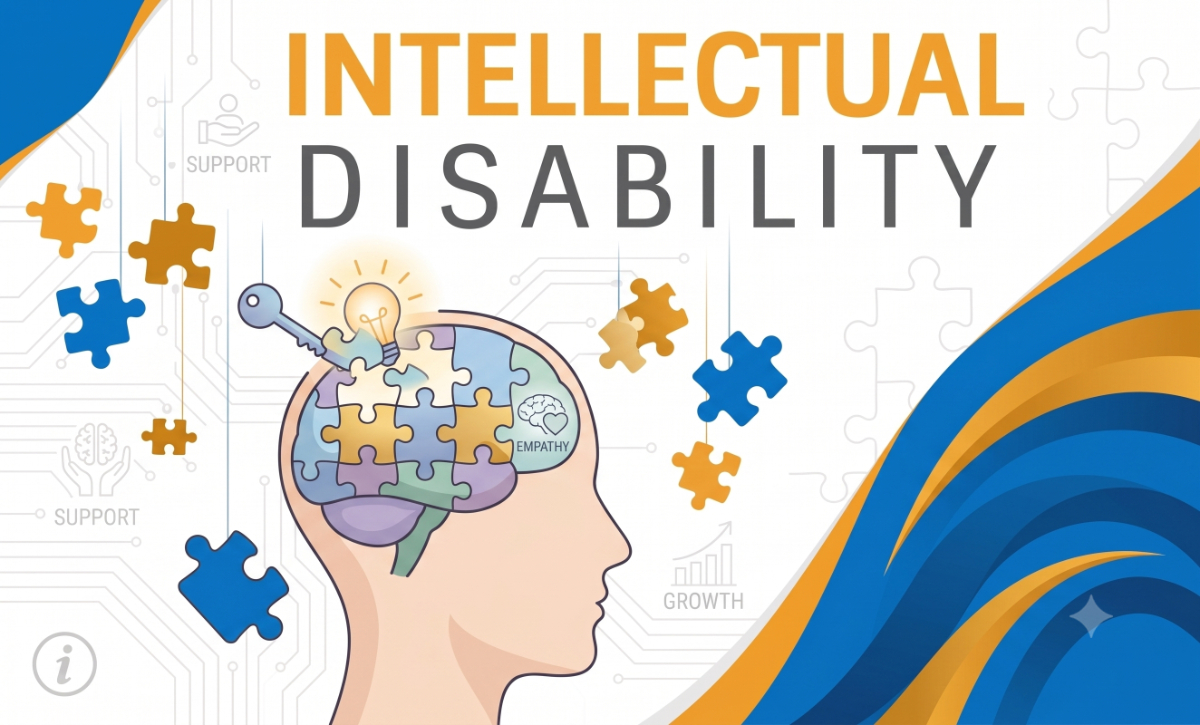
Intellectual Disability
A condition involving limitations in intellectual functioning and adaptive skills that affect learning, communication, and independent living.

Intermittent Explosive Disorder / Anger Issues
A condition characterized by sudden episodes of intense anger, aggression, or emotional outbursts that may seem disproportionate to the situation.

Learning Disorder
A disorder that affects the ability to read, write, process information, or perform mathematical tasks despite average intelligence.
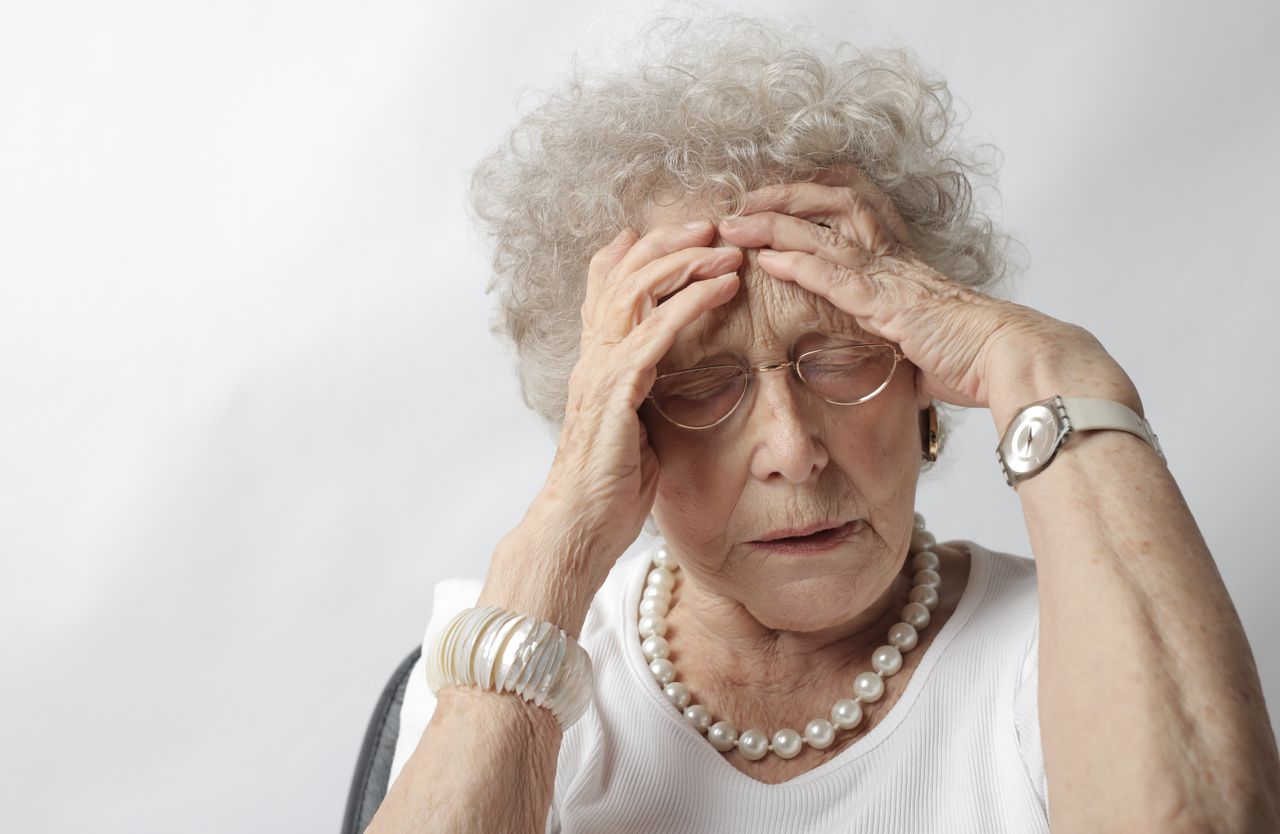
Neurocognitive Disorder (Memory Problems and Dementia)
Conditions involving decline in memory, reasoning, attention, or cognitive abilities that interfere with everyday functioning.

Obsessive Compulsive Disorder (OCD)
A disorder involving recurring intrusive thoughts (obsessions) and repetitive behaviors or rituals (compulsions) aimed at reducing anxiety.

Panic Disorder
An anxiety disorder involving sudden and repeated panic attacks that may include chest pain, dizziness, rapid heartbeat, and intense fear.

Phobias
Intense and persistent fears of specific objects, situations, or activities that can cause avoidance behaviors and distress.

Post-Traumatic Stress Disorder (PTSD)
A condition that may develop after experiencing or witnessing a traumatic event, causing flashbacks, anxiety, nightmares, or emotional distress.

Stress-Related Conditions
Conditions caused or worsened by ongoing stress, which may affect emotional, mental, and physical health.

Self-esteem Issues
Persistent negative self-perception or lack of confidence that may affect relationships, emotional health, and daily functioning.

Sleep Disorders
Conditions that interfere with healthy sleep patterns, including insomnia, sleep apnea, restless sleep, or excessive daytime fatigue.

Social (Pragmatic) Communication Disorder
A condition involving difficulty understanding and using verbal and nonverbal social communication appropriately in conversations and relationships.

Tic Disorders
Neurological conditions involving sudden, repetitive, involuntary movements or vocalizations such as blinking, throat clearing, or facial movements.

Weight Issues
Concerns related to unhealthy weight gain or loss that may affect physical health, emotional well-being, and self-image.